Navigating the Road Ahead: Driving with MS, Parkinson’s, and Other Neurological Conditions
Driving offers vital independence, but progressive neurological conditions like Multiple Sclerosis (MS) and Parkinson’s disease can significantly challenge safe vehicle control. These conditions often impair motor skills, coordination, and reaction times, making standard driving manoeuvres difficult. This guide explores how neurological conditions affect steering, the benefits of steering wheel knobs, and crucial UK regulations from the Driver and Vehicle Licensing Agency (DVLA) regarding medical fitness to drive and periodic licence reviews.
How Progressive Neurological Conditions Affect Steering
Neurological conditions are progressive, meaning symptoms evolve and can directly impact a driver’s ability to operate a vehicle safely, particularly steering control. [1]
- Multiple Sclerosis (MS): MS can cause muscle weakness, spasticity, numbness, and issues with coordination and balance. These symptoms hinder firm steering-wheel grip, smooth steering, or quick reactions. Fatigue, common in MS, also impairs the concentration and stamina needed for driving.
- Parkinson’s Disease: Parkinson’s primarily affects movement, leading to tremors, rigidity, bradykinesia (slowness of movement), and postural instability. Drivers may struggle to initiate turns, maintain a steady grip, and make rapid steering adjustments. Rigidity can make quick manoeuvres, such as navigating roundabouts or parking, especially challenging.
- Other Neurological Conditions: Conditions like stroke recovery, motor neurone disease, and certain neuropathies can also impair the fine motor control, muscle strength, and coordination essential for effective steering.
These challenges increase the physical effort required for steering, potentially leading to driver fatigue and compromising safety on UK roads.
The Role of Steering Wheel Knobs in Driving Adaptations
A steering wheel knob, also known as a ‘spinner knob’ or ‘brodie knob’, attaches to the steering wheel, enabling drivers to turn the wheel with one hand and less effort. This is particularly beneficial for individuals whose neurological condition affects their ability to use both hands effectively or requires reduced physical exertion during steering.
When a Steering Wheel Knob Helps
Steering wheel knobs provide significant assistance in various driving situations:
- Reduced Grip Strength: For drivers with weakened hand or arm muscles, a knob offers a larger, more accessible contact point, reducing the need for a strong grip on the entire steering wheel.
- Limited Range of Motion: Conditions that cause stiffness or reduced joint mobility can make full steering wheel rotation difficult. A knob provides greater leverage and easier rotation with minimal arm movement.
- Improved Manoeuvrability: Parking, navigating tight spaces, and performing three-point turns (manoeuvres) require rapid, precise steering input. A steering wheel knob can make these actions smoother and less strenuous, boosting control and confidence.
- One-Handed Operation: If one arm or hand is significantly affected, a knob facilitates effective one-handed steering, potentially freeing the other hand for other controls or simply reducing strain.
UK Regulations: The DVLA and Your Driving Licence
In the UK, the Driver and Vehicle Licensing Agency (DVLA) ensures all drivers are medically fit. If you have a neurological condition, you are legally required to inform the DVLA if your condition or its treatment could affect your driving safety. [2]
Notifiable Conditions and Assessment
The DVLA classifies many progressive neurological disorders as ‘notifiable’. Failure to inform the DVLA can result in a fine of up to £1,000 and invalidate your car insurance. [2]
Upon notification, the DVLA assesses your fitness to drive. This may involve:
- Medical Questionnaires: Forms detailing your condition and its driving impact.
- Medical Reports: Information from your doctors or specialists.
- Driving Assessments: A practical driving assessment at a mobility centre may be required to evaluate safe vehicle control and recommend adaptations like a steering wheel knob.
Driving Licence Groups
The DVLA differentiates between Group 1 (cars and motorcycles) and Group 2 (lorries and buses) licences. Group 2 standards are stricter. For neurological conditions, the focus is typically on Group 1, where adaptations often enable continued safe driving. [1]
Periodic Licence Review: Ensuring Ongoing Safety
For drivers with progressive neurological conditions, the DVLA often issues short-term medical review licences (1, 2, or 3 years). This ensures regular reassessment as your condition changes. [1]
During review, the DVLA considers updated medical evidence to confirm you meet driving standards and that any vehicle adaptations remain appropriate and effective. This process safeguards both the driver and other road users.
Legality and Safety of Steering Wheel Knobs in the UK
Steering wheel knobs are generally permitted under DVSA (Driver and Vehicle Standards Agency) rules and are not typically classed as illegal modifications. [3] [4]
However, key considerations include:
- Secure Fitting: The knob must be securely fitted. A loose knob is dangerous and could lead to an MOT failure. [4]
- Insurance Implications: Inform your insurance provider about the knob, especially if it’s for a medical condition. Non-disclosure could invalidate your policy. [4]
- Safety Concerns: Some drivers worry about potential hand or finger injuries from a knob in an accident. [4] It’s crucial to ensure the device enhances overall driving safety.
For individuals with neurological conditions, a steering wheel knob can be a legitimate driving aid, improving control and reducing fatigue, thereby enhancing safety. However, the decision to use one should be made in consultation with healthcare professionals and, if applicable, an approved driving instructor specialising in adaptations.
Choosing and Fitting a Steering Wheel Knob
If a steering wheel knob is deemed beneficial:
- Type of Knob: Various designs exist, including quick-release options.
- Professional Fitting: Ensure professional installation for security and optimal placement.
- Driving Assessment: An occupational therapist or specialist driving instructor can provide an assessment and recommend the most suitable knob and placement as part of a broader vehicle adaptation plan.
Conclusion
Driving with a progressive neurological condition in the UK demands careful consideration of personal ability, vehicle adaptations, and adherence to DVLA regulations. Steering wheel knobs can be a valuable aid for many drivers with conditions like MS and Parkinson’s, offering enhanced control and reduced effort during steering manoeuvres. It is paramount to notify the DVLA of your condition, undergo required medical reviews, and ensure adaptations are safely and legally implemented. By following these steps, individuals can maintain driving independence while prioritising safety on UK roads.
Shop UK steering wheel knobs
Clamp-on spinner knobs that fit steering wheel rims about 28–40mm thick. No drilling, removable in minutes.
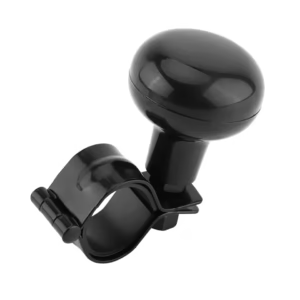
Steering Wheel Ball Spinner Knob – Black
The classic all-black steering ball with a smooth ball-bearing spin.
£14.99
View knob →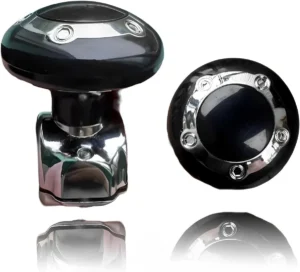
Chrome Steering Wheel Spinner Knob
Chrome-trimmed spinner knob with a metal clamp, in black or silver.
£14.99
View knob →✓ Free UK Royal Mail delivery · ✓ Dispatched within 3 working days · ✓ 14-day returns · ✓ 1-year warranty
References
[1] Neurological disorders: assessing fitness to drive – GOV.UK
[2] Telling DVLA about a medical condition or disability – GOV.UK
[3] Is steering knob legality – Okjaws
[4] Steering wheel knobs legal or not and your views? – Transport Forum
