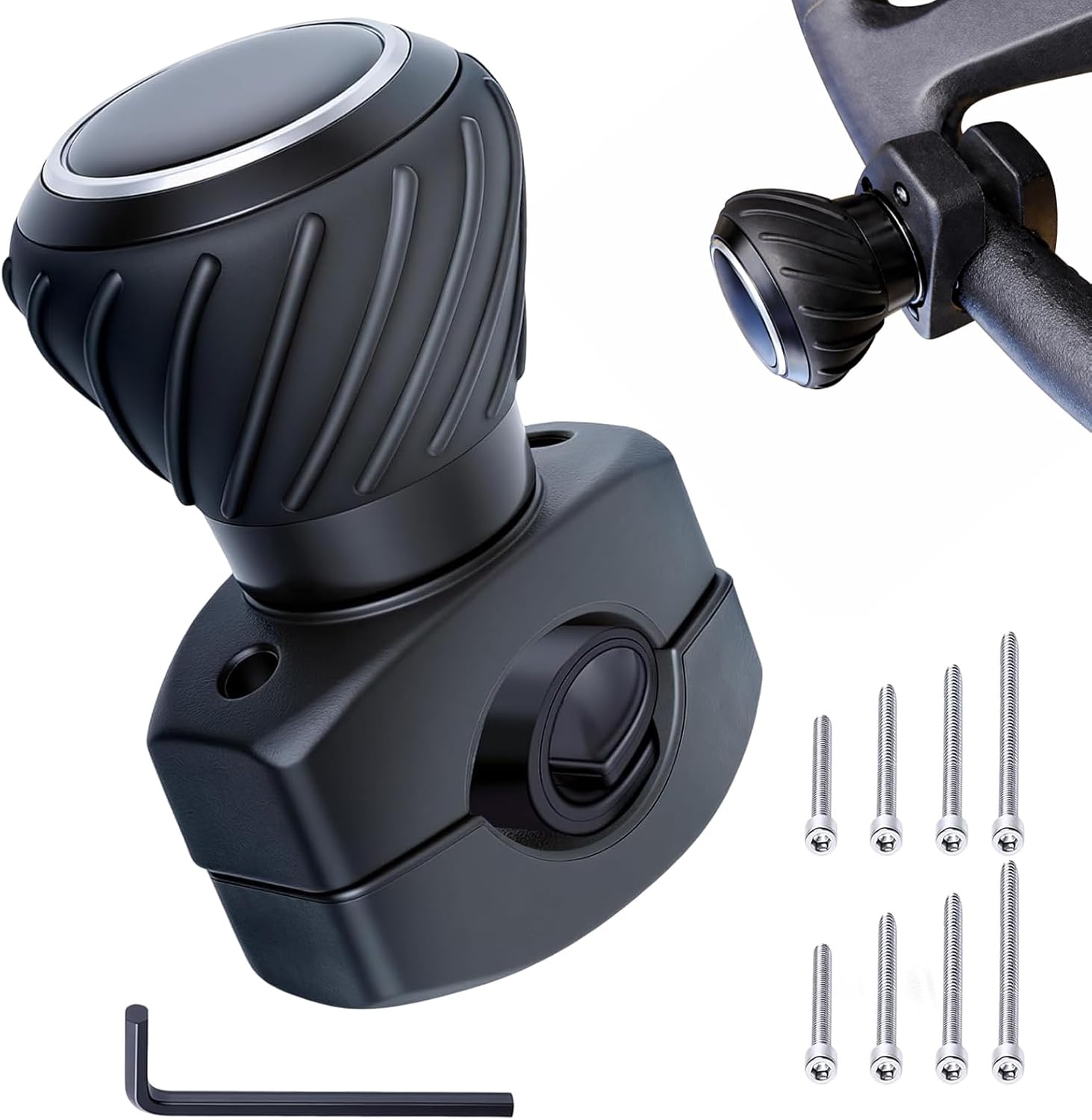
Steering wheel knobs, often seen as simple accessories, play a crucial role for many drivers, enhancing control and reducing physical strain.
From facilitating easier manoeuvres in tight spaces to providing essential assistance for those with mobility challenges, these devices come in various forms, each designed to meet specific needs.
This comprehensive guide delves into the different types of steering wheel knobs available in the UK, examining their functionality, advantages, disadvantages, and the legal landscape surrounding their use.
Legality and Regulations in the UK
Before considering a steering wheel knob, it is paramount for UK drivers to understand the legal framework governing their use. The Driver and Vehicle Licensing Agency (DVLA) and the Driver and Vehicle Standards Agency (DVSA) oversee vehicle modifications and driver fitness, while MOT rules ensure roadworthiness. Generally, steering wheel knobs are permitted in the UK, but their application and suitability are subject to certain conditions.
For drivers with disabilities, steering wheel knobs are often classified as an adaptive driving aid. When fitted as part of a professionally assessed and installed adaptation, they are fully legal and recognised. The DVLA may note such adaptations on a driver’s licence, particularly if they are essential for safe driving due to a medical condition. It is crucial for drivers to inform their insurance provider of any modifications, including adaptive aids, to ensure their policy remains valid.
For general use, without a specific medical need, the legality is less explicitly defined but generally accepted, provided the device does not impede safe control of the vehicle. However, drivers must be aware of potential implications:
- MOT (Ministry of Transport) Test: While a steering wheel knob itself is unlikely to cause an MOT failure, any damage it causes to the steering wheel or if it is insecurely fitted could lead to a fail. The steering wheel must be secure and free from excessive play or damage. Inspectors will assess whether the modification compromises the steering system’s integrity or the driver’s ability to maintain full control.
- Road Traffic Act: The overarching principle of the Road Traffic Act requires drivers to be in proper control of their vehicles at all times. If a steering wheel knob is deemed to hinder this control, for example, by encouraging unsafe one-handed driving in inappropriate situations, a driver could face penalties. It is essential that the knob does not interfere with the airbag deployment or other safety features.
- Insurance: As with any modification, failing to declare a steering wheel knob to your insurance company could invalidate your policy. While many insurers are accustomed to adaptive aids, a non-declared modification for general convenience might be viewed differently.
In summary, while not explicitly illegal for general use, it is advisable to exercise caution, ensure professional fitting, and always prioritise safe driving practices. For adaptive use, professional assessment and notification to the DVLA and insurers are essential.
Types of Steering Wheel Knobs
Steering wheel knobs come in various designs, each offering distinct benefits and catering to different driving styles or physical requirements.
Ball-Type (Spinner Knob)
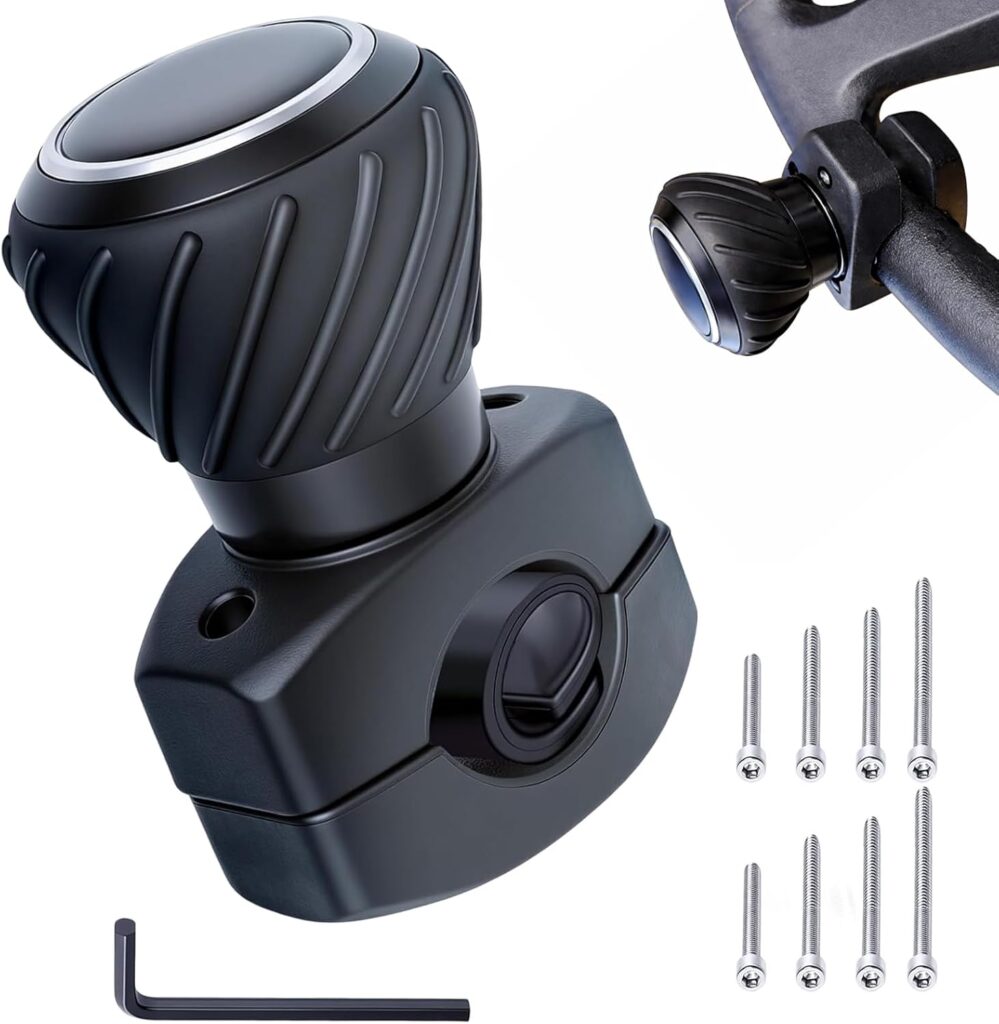
This is perhaps the most recognisable type, often referred to as a ‘spinner knob’ or ‘Brodie knob’. It features a spherical or slightly contoured grip that attaches securely to the steering wheel rim.
- Description: A classic, round or ergonomically shaped knob that allows for continuous rotation of the steering wheel with minimal hand movement.
- Pros:
- Effortless Manoeuvring: Significantly reduces the effort required for turning the steering wheel, particularly useful during parking, reversing, or navigating tight spaces.
- One-Handed Operation: Facilitates one-handed steering, which can be beneficial for drivers who need their other hand for auxiliary controls or have limited use of one arm.
- Quick Steering: Allows for rapid steering input, which can be advantageous in certain low-speed, high-manoeuvre situations.
- Cons:
- Potential for Over-Steering: The ease of rotation can sometimes lead to over-steering, especially for inexperienced users or at higher speeds.
- Reduced Feedback: Some drivers report a reduced sense of direct control or feedback from the road.
- Safety Concerns: Historically, these were sometimes called ‘suicide knobs’ due to the risk of snagging clothing or causing injury in an accident, though modern designs are much safer.
- Who it Suits: Ideal for drivers requiring assistance with low-speed manoeuvres, such as lorry drivers, forklift operators, or individuals with mild upper limb weakness or limited range of motion in one arm.
Tri-Pin and Quad-Pin Knobs
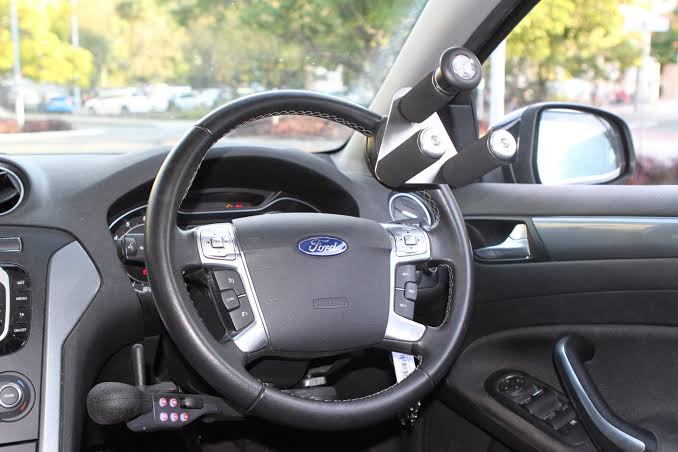
These adaptive aids are designed for drivers with more significant grip limitations.
- Description: Instead of a single knob, these feature three or four ‘pins’ or prongs that extend from a central hub, allowing the driver to hook their hand or wrist into the device.
- Pros:
- Enhanced Grip: Provides a secure, stable point of contact for drivers with limited grip strength, hand deformities, or missing digits.
- Increased Leverage: Offers excellent leverage for steering, reducing the need for strong hand and finger movements.
- Customisable Fit: Often adjustable to accommodate different hand sizes and positions.
- Cons:
- Bulkier Design: Can be more intrusive than a simple ball-type knob due to its larger footprint.
- Learning Curve: May require a period of adjustment for new users to become proficient.
- Who it Suits: Essential for drivers with conditions like arthritis, stroke recovery, spinal cord injuries, or amputations, where traditional steering is difficult or impossible.
Palm Grip/Cuff Grip Knobs

These designs offer broad support for the hand and wrist.
- Description: A larger, often contoured grip that cradles the palm or wrist, providing a stable platform for steering. Some designs include a cuff that straps around the wrist or forearm for added security.
- Pros:
- Comprehensive Support: Offers extensive support for the entire hand, wrist, or forearm, ideal for drivers with very limited hand and finger movement.
- Reduced Strain: Minimises strain on individual fingers and joints, distributing the steering effort across a larger area.
- Secure Attachment: Cuff designs ensure the hand remains connected to the steering aid, even with involuntary movements.
- Cons:
- Less Direct Feel: Can somewhat dampen the tactile feedback from the steering wheel.
- May Obscure Controls: Depending on placement, some larger palm grips might partially obscure dashboard controls or indicators.
- Who it Suits: Particularly beneficial for drivers with severe hand weakness, tremors, or conditions requiring significant wrist and forearm support, such as cerebral palsy or muscular dystrophy.
Who Benefits from Steering Wheel Knobs?
Steering wheel knobs are not a one-size-fits-all solution but rather a tailored aid for specific driving scenarios and individual needs.
Drivers with Disabilities
This is the primary group for whom steering wheel knobs are designed and most beneficial. They enable individuals with various physical limitations to drive safely and independently.
- Limited Hand/Finger Mobility: Conditions such as arthritis, stroke, or nerve damage can make gripping and turning a standard steering wheel challenging. Ball-type or tri-pin knobs provide the necessary leverage.
- One-Handed Driving: For drivers who use only one arm (e.g., due to amputation or paralysis), a spinner knob allows full steering control while the other hand operates secondary controls.
- Weakness or Tremors: Palm grip or cuff grip knobs offer stability and support, reducing the effort and precision required for steering, thereby mitigating the effects of muscle weakness or involuntary movements.
Professional Drivers
Certain professional roles involve frequent, low-speed manoeuvring, where steering wheel knobs can significantly improve efficiency and reduce fatigue.
- HGV and Lorry Drivers: Often operate large vehicles that require considerable steering input during parking, coupling trailers, or navigating depots. A spinner knob can make these tasks less strenuous.
- Forklift and Plant Operators: In industrial settings, precise and repetitive steering is common. Knobs allow for quicker and smoother operation of machinery.
- Agricultural Vehicle Operators: Similar to HGVs, tractors and other farm machinery benefit from improved steering ease during fieldwork or in tight turns.
General Use (Non-Disability)
While less common and with more legal scrutiny, some drivers without disabilities consider steering wheel knobs for convenience.
- Ease of Parking: For drivers who frequently park in tight urban spaces, a spinner knob can make parallel parking or multi-point turns less cumbersome.
- Reduced Fatigue: In situations requiring extensive low-speed steering, such as driving instruction or delivery routes, a knob might reduce arm fatigue.
However, for general use, drivers must weigh the convenience against potential safety concerns and legal interpretations. The ability to maintain two hands on the wheel for optimal control, especially at higher speeds or in emergency situations, is always paramount.
Choosing the Right Steering Wheel Knob
Selecting the appropriate steering wheel knob involves careful consideration of several factors to ensure safety, comfort, and compliance with UK regulations.
- Personal Needs and Physical Limitations: This is the most critical factor. Drivers with specific disabilities should consult with a qualified mobility assessment centre or an occupational therapist. They can recommend the most suitable type of knob based on individual strength, range of motion, and dexterity.
- Vehicle Type and Driving Environment: The size and type of vehicle, as well as the typical driving conditions (e.g., urban, motorway, off-road), can influence the best choice. Larger vehicles or those requiring frequent tight turns might benefit more from certain knob types.
- Safety Features: Ensure the chosen knob does not interfere with the vehicle’s existing safety features, such as airbags, horn, or indicator stalks. Proper placement is key.
- Quality and Installation: Opt for high-quality, durable products from reputable manufacturers. Professional installation is highly recommended, especially for adaptive aids, to ensure secure attachment and optimal positioning.
- Legality and Insurance: Always verify the legality of the chosen knob for your specific use case and inform your insurance provider. For adaptive aids, ensure all DVLA requirements are met.
Shop UK steering wheel knobs
Clamp-on spinner knobs that fit steering wheel rims about 28–40mm thick. No drilling, removable in minutes.
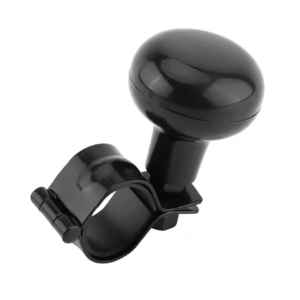
Steering Wheel Ball Spinner Knob – Black
The classic all-black steering ball with a smooth ball-bearing spin.
£14.99
View knob →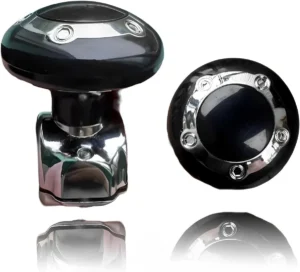
Chrome Steering Wheel Spinner Knob
Chrome-trimmed spinner knob with a metal clamp, in black or silver.
£14.99
View knob →✓ Free UK Royal Mail delivery · ✓ Dispatched within 3 working days · ✓ 14-day returns · ✓ 1-year warranty
Frequently Asked Questions
What else is a steering wheel ball called?
The same accessory goes by several names: steering wheel knob, spinner knob, steering ball, Brodie knob and suicide knob. They all describe a handle that clamps to the rim and spins freely so you can steer with one hand.
Conclusion
Steering wheel knobs, in their various forms: from the classic ball-type spinner to the more specialised tri-pin and palm grip designs, offer significant benefits for a diverse range of drivers in the UK.
While they are invaluable adaptive aids for individuals with disabilities, providing independence and enhanced control, their use for general convenience requires careful consideration of safety and legal implications. Understanding the nuances of UK regulations, particularly those from the DVLA, DVSA, and MOT, is essential for all users.
Ultimately, the decision to use a steering wheel knob should always prioritise safety, ensuring that the device enhances, rather than compromises, a driver’s ability to maintain full and proper control of their vehicle. When chosen wisely and installed correctly, these ingenious devices can transform the driving experience, making it more accessible, comfortable, and efficient for many on Britain’s roads.
