
Steering wheel knobs, also known as spinner knobs, steering wheel balls, suicide knob, or steering aids, are assistive devices designed to facilitate one-handed steering. You can fit it on the steering wheel rim and use only one hand to steer your car.
While a steering wheel knob provides comfort and ease in driving, especially if you have mobility challenges, not knowing the legality, MOT (Ministry of Transport) compliance, and, crucially, insurance policies around steering wheel knobs can have huge financial implications for you.
So, to save you from all that financial anxiety, we have made this comprehensive guide to help you understand the specifics of UK regulations and insurer expectations, ensuring you know when and why you should declare a steering wheel knob.
The Legal Landscape: Are Steering Wheel Knobs Permitted in the UK?
According to the provisional data shared from the Department of Transport, there were around 67,720 casualties in 2025 alone in the UK. To prevent road accidents and casualties, the UK imposes hundreds of laws for vehicles.
However, the rules that usually matter most for steering wheel knobs are those from the Driver and Vehicle Standards Agency (DVSA), the annual MOT vehicle test, and the Road Vehicles (Construction and Use) Regulations 1986.
Steering wheel knobs in the UK are legal, especially when used as a driving aid. However, the key lies in their proper installation and the context of their use. If you face mobility challenges, you can definitely install it in accordance with UK laws.
DVSA and MOT Regulations
DVSA governs the MOT test, which assesses your vehicle’s roadworthiness every year. Is your vehicle safe to be on the road?
The MOT inspection will evaluate your steering system as a whole, which means a steering wheel knob is NOT a specific inspection item for DVSA. However, if during the inspection, they assess that your spinner knob is not fitted correctly and is compromising the steering operation, you won’t pass the MOT test.
A properly fitted spinner knob that is secure, does not obstruct the steering mechanism, and does not interfere with other controls will typically pass without issue. On the other hand, a loose, damaged, or improperly installed knob that impedes steering operation could be flagged as a deficiency under broader steering system criteria.
The Road Vehicles (Construction and Use) Regulations 1986
The Road Vehicles (Construction and Use) Regulations 1986 are a set of regulations governing the manufacture, maintenance, and safe operation of road vehicles in the UK. However, only a handful of regulations apply to your steering wheel knob. Here are a few regulations you can look into.
- Regulation 29 mandates that your steering gear be maintained in good, efficient working condition. If your steering wheel knob is all worn and damaged, it can affect the operation or adjustment of the steering gear.
- Regulation 100 prohibits the use of a vehicle in a condition that poses a danger of injury to any person. If your spinner knob is securely fitted on the steering wheel, it does not pose a threat or danger of accidents. You are good to go!
- Regulation 104 prohibits any person from driving a car if they are unable to have a proper view of the road or control over the vehicle. If you have limited mobility and a spinner knob helps you better control the steering, you should definitely use it as required by law.
So, in layman’s terms, as long as your steering wheel knob is securely fitted and does not impede the safe operation of the vehicle, you can use it under the Road Vehicles (Construction and Use) Regulations 1986.

Insurance Implications: When to Declare a Steering Wheel Knob
Ideally, you should declare your steering wheel knob as soon as you add it to your car. It will hardly take more than a few minutes. You might not think twice about adding a £10 steering wheel knob to your car.
In fact, many people with insurance don’t feel the need to update their insurer about this little modification. But what seems like a small detail to you could be the opportunity for your insurance company to reject the claim in the event of an unfortunate event.
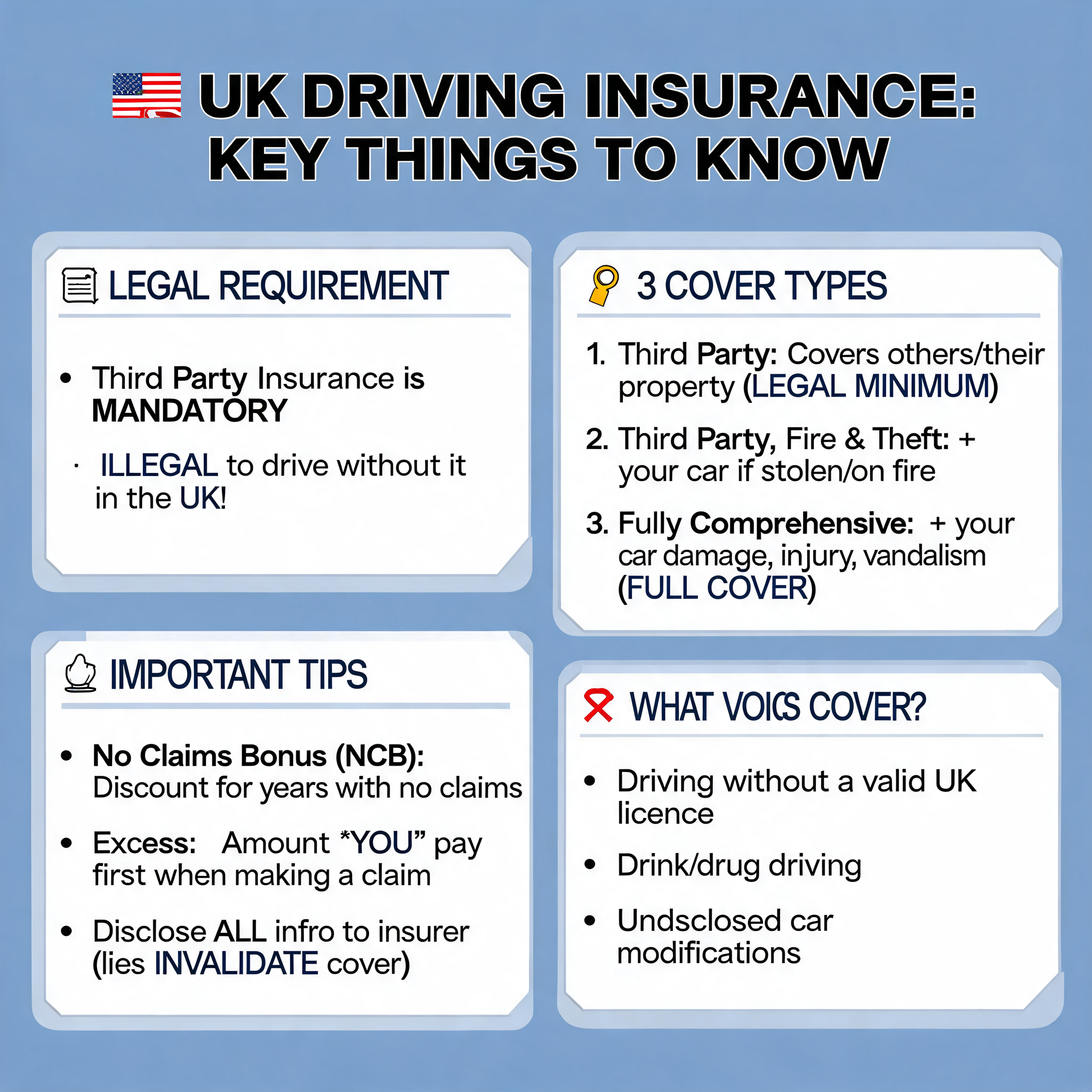
The general rule of thumb with car insurance is to declare any modification to your vehicle, even if it’s a small spinner knob. Now, if you don’t declare it to your insurer, can they invalidate your claims and leave you financially stranded? The answer depends on a few things.
What Constitutes a “Modification” for Insurance?
Making modifications to your car sounds more like swapping engines or customising the suspension. However, insurance companies typically define a modification as any alteration to your vehicle from its factory specification. In simpler words, if your car did not leave the factory with the current specification, it is a modification for insurers.
Some insurers view a small spinning knob clamped to your steering wheel as a modification to the original steering wheel. Others might not see it as a modification, since it’s a removable accessory, like a seat cover or a seatbelt extender.
However, the safest approach is to pick up your phone and report the spinning knob to your insurer. That’ll remove all the ifs and buts and secure your insurance claims for the future.
Insurance Implications for Disabled Drivers With Prescribed Aids
A steering wheel knob is also one of the most common prescribed driving adaptations for people with disability in the UK. It supports people with limb loss, arthritis, reduced grip strength, or any neurological conditions in driving.
If your GP or healthcare consultant has prescribed you a steering wheel knob, your situation is not so different. Many insurers recognise that such adaptations are essential for safe driving for individuals with certain mobility challenges. In these cases, the knob is less likely to be treated as a discretionary modification and more likely to be seen as a necessary driving control.
However, even if it is a disability aid, it is best to declare it to your insurer. Don’t worry. Declaring a prescribed driving aid does not impact your premium. The government of the UK protects people with disability under the Equality Act 2010, where insurance companies cannot discriminate against you by refusing cover or increasing premiums solely because of your disability.
What Happens if You Don’t Declare Your Steering Wheel Knob?
What happens if you forgot to inform your insurer or willingly didn’t declare? If you never get to make a claim, nothing would happen. Your insurer would simply not know about your spinning wheel knob while you cruise your way on the roads.
But if you get into an unfortunate situation and make a claim, your non-disclosure can become serious. However, you are not legally required to declare your steering wheel knob if your insurer has not particularly asked you to list any modifications.
Generally, insurers ask about modifications before giving insurance. You have to list every little to big modification, including the steering wheel knob. If you fail to do so, it will be classified as misrepresentation under the Consumer Insurance Act 2012. There are 2 types of misrepresentation, including:
- Careless
- And deliberate or reckless
If you took reasonable care but still couldn’t get it right, the insurer will have to pay the claim in full. But if you didn’t try to take reasonable care or were careless, such as you didn’t declare your spinning knob because you thought it was not important, the insurer may adjust the claim and not pay in full.
However, if you were asked a clear and specific question about your modification and you deliberately hid any information knowing it was wrong, you will be put into a reckless misrepresentation category, which can have serious financial implications for you. Your insurer can reject or significantly reduce your claim based on this type of misrepresentation.
Given these risks, a quick phone call or email to your insurer won’t hurt anyone.
Tips on Choosing and Using a Steering Wheel Knob Responsibly
If you are planning to add a steering wheel knob to your vehicle, you need to take care of a few things before getting on the road.
- Choose a high-quality knob from a reputable manufacturer. Cheap, poorly constructed knobs can break or come loose during the drive, leading to accidents.
- Ensure the knob is fitted securely to the steering wheel, following the manufacturer’s instructions. It should not move independently of the wheel.
- Position the knob so it allows comfortable, effective one-handed steering without interfering with other controls, including indicators, wipers, the horn, and airbags.
With that said, if you are new to using a steering wheel knob, practice in a safe, controlled environment before driving on public roads.
Conclusion
All in all, steering wheel knobs can be a valuable aid, especially if you require one-handed steering. While it is legal for use in the UK and unlikely to fail you on the MOT test when properly installed, it can affect your car insurance and have financial implications.
But if you want to safeguard your policy and ensure peace of mind, always communicate with your insurer about any additions or alterations to your vehicle, including steering wheel knobs. The more transparent you are, the less likely it is for your insurer to reject your claims.
References
- Department of Transport – https://www.gov.uk/government/statistics/reported-road-casualties-great-britain-provisional-results-2025
- The Road Vehicles (Construction and Use) Regulations 1986 – https://www.legislation.gov.uk/uksi/1986/1078/regulation/29
- Equality Act 2010 – https://www.legislation.gov.uk/ukpga/2010/15/contents
- Consumer Insurance (Disclosure and Representations) Act 2012 – https://www.legislation.gov.uk/ukpga/2012/6/section/5